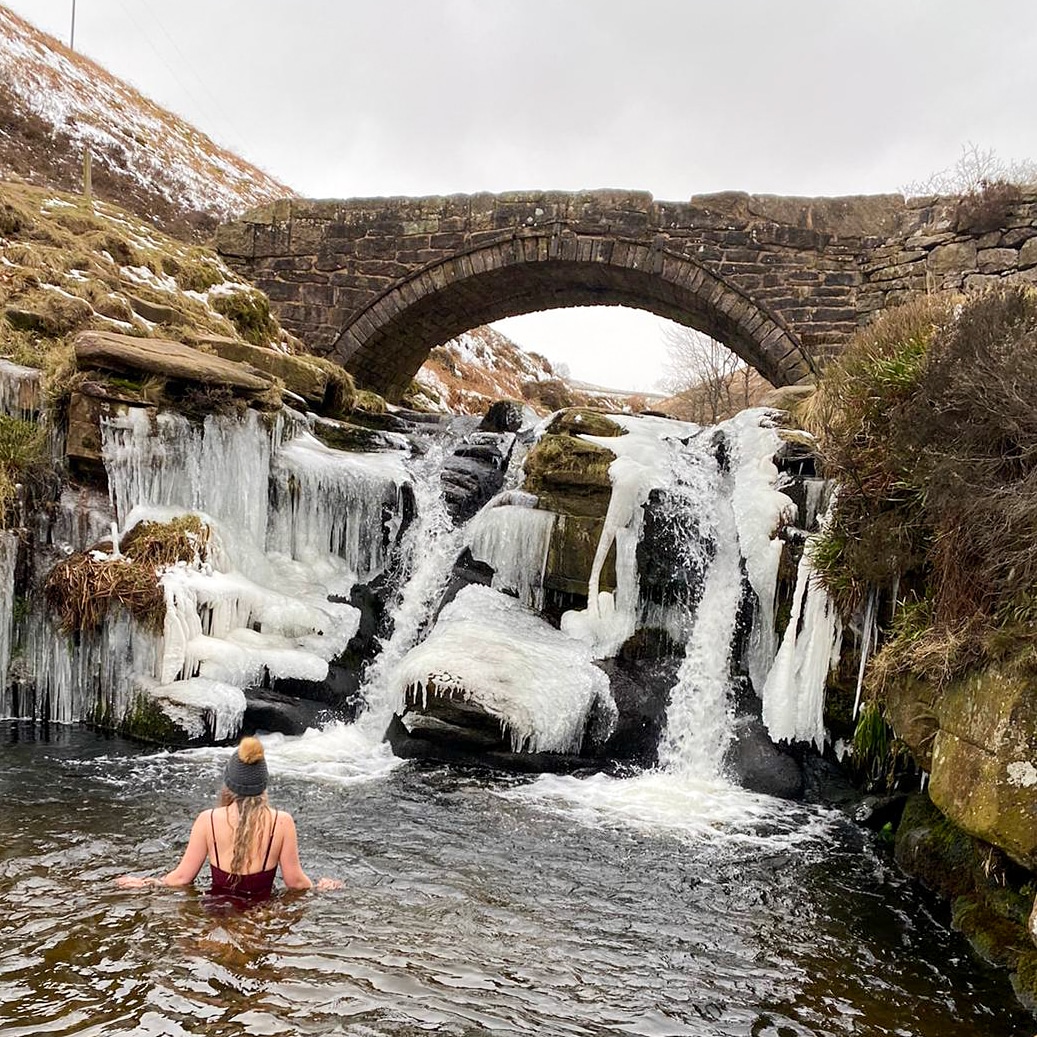
As the temperatures begin to drop again, a lot of people will be put off from getting in the water. Though there is a lot of evidence to suggest that cold water is actually much better for you. I’m currently reading Belinda Kirk’s book – Adventure Revolution and there’s a fascinating part around cold water swimming and evidence that suggests are bodies are built for extreme stressors (such as cold, heat, hunger etc.) and that exposing ourselves to these in this ‘comfortable’ modern world we’ve created, can improve our health by triggering biological responses in our bodies that have lain dormant.
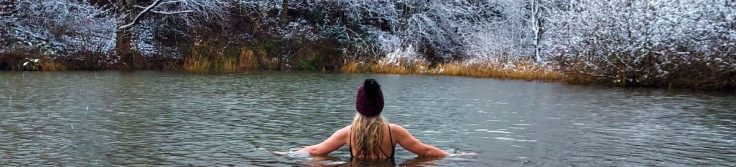
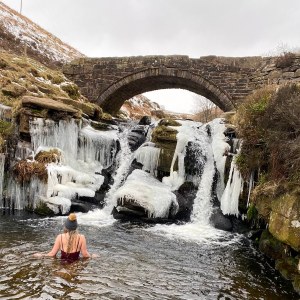
I started my dipping back in December 2020 and it’s safe to say it was pretty bloody cold! There was snow on the ground, but the feeling of getting in that water was absolutely incredible. It certainly took me a long time to warm up after a dip in those winter months, but I was hooked.
Having dipped through all of the seasons, I’ve genuinely missed the feeling of the really cold water. Don’t get me wrong, I still thoroughly enjoy my morning dips, but it’s just not the same as stepping into an icy lake, it doesn’t give you quite the same buzz.
Before embarking on those cold water swims, you should understand that there are risks involved. Though there are many benefits, you are putting your body under a lot of strain. You can learn more about the potential risks here.
Take it Slow:
This is true of swimming all year around, but especially important in winter. Jumping straight into cold water can lead to cold water shock, which can seriously affect your breathing and movement. Entering the water slowly can help to mitigate this by allowing your body time to adjust. It’s also important to make sure you don’t stay in the water too long. When I first started dipping, I could barely stay in for a minute or two, whereas now I am able to stay in for much longer due to building up tolerance and getting used to the cold.
Choosing Where to Dip:
Before entering a body of water, especially if it’s a place you’ve not been before there a few things you need to consider. Water conditions are forever changing and sometimes it’s best to avoid the water completely. You can usually find updates on water conditions on local facebook groups, or sites such as Surfers Against Sewage. Water conditions are often worse after heavy rainfall due to storm drains, overflows and run-off from fields, so bare this in mind when deciding where and when to dip.
Shallower, still bodies of water are often safer than deep, fast moving or tidal. This is because they are more predictable and much easier to get out of. Knowing your exit point before you get in is also really important. You can read more on different types of water and what to look out for here.
Most places are going to be a lot quieter over the autumn and winter months, but you can check out my post on how to find quieter swim spots here.
Swim Groups and Buddies:
One of the best ways to get into outdoor dipping, is to find a local group. There are many that meet all year round and it can be a great way to meet new friends, as well as trying something new in a safer environment. Groups can easily be found by searching on instagram or facebook, or by joining one through an organisation such as Mental Health Swims. I have met so many people through different groups and through instagram, it’s such a great way to meet like-minded people. Being with others means that there are people to help encourage and support you, but also help to watch for any signs of cold water shock or signs of concern post swim. If you do decide to go out alone, make sure you’re aware of potential risks and always let someone know where you’re going.
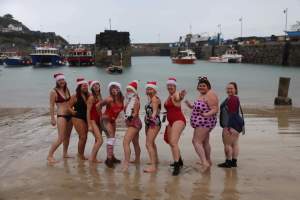
Due to Covid, I ended up spending last Christmas in Newquay on my own. I was adamant I wanted to go for a dip on Christmas morning and didn’t fancy it on my own. So after a quick search, I found a local group who were going for a dip. I dropped them a message and went along. I was completely out of my comfort zone, but once I was there and chatting, everyone was so friendly and it was such a lovely atmosphere (despite the rain). The swimming community are such a lovely bunch, most people are doing it for the same reasons and so everyone is likely to be on the same wavelength and have things in common. It can be daunting meeting new people and groups, but I’ve found it’s always been worth pushing myself.
Warming Up:
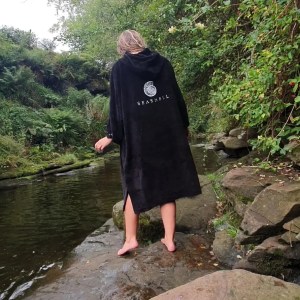
It’s important to be prepared for after a winter dip and ensure that you have what you need to warm up. Having dry, warm layers to change into is essential and having a changing robe or towel can make this a whole lot easier (and warmer)! I absolutely love my changing and towel robes from Seashell (You can get 5% off here). It’s also a great idea to have a flask with a hot drink on hand, warm socks, a hat and gloves. A lot of my friends also take hot water bottles with them to put under their coat. When I first starting dipping in the cold, it could sometimes takes me several hours to warm back up fully, though over the years this has become substantially quicker.
I often stop for a dip whilst out hiking. This can make it more difficult as it’s not always possible to carry a changing robe or hot water bottle with you! On these dips I make sure I don’t stay in too long, get changed quickly and get back on the move to try and let my body warm back up again. I will always make sure I have a hot drink with me when out in those winter months.
You may not feel the cold straight away, but your body continues to cool down after you’ve got out the water. This is why it’s also really important not to stay in too long and keep those first few dips pretty short!
Kit:
Ultimately, you don’t really need anything to go for a dip, except a swimsuit (unless that’s not your thing). But there are some additional things that can help keep you safe or just a bit more practical. What you need can depend a lot on where you’re swimming and if you’re doing distance or just a dip.
Tow floats can be a great big of kit when in open water or swimming over a longer distance. They not only help keep you visible, but can be used as a buoyancy aid in emergencies and double as a dry bag to keep your stuff dry whilst out in the water.
Water shoes can be really useful in rockier area’s where you may need more protection or grip, I know a lot of people who also use them as they don’t like the feel of sand or mud or their feet.
I also carry a towel with me in my rucksack whenever I go out hiking, just incase I come across a beautiful spot. I was kindly gifted one from lifeventure that I absolutely love due to how small it packs down and how little it weighs. If you really struggle with the cold, then wearing a wetsuit can really help. There are many swimming wetsuits available that are thinner and allow for more movement.
Changing Robes/ Towels can help to keep you warm, but also make it much easier to get changed when out in the open.
There are no rules on how you do it, what you wear or how long you stay in. Ultimately, just do what feels right for you whilst ensuring you stay safe and don’t push yourself too far. Even in the summer I don’t stay in the water very long, for me it’s that initial feeling of the cold and adjusting my breathing to feel comfortable and calm. At the end of the day, you are responsible for your own safety in the water, so it’s important to have an understanding before you take the plunge.
Happy Adventuring! x
*Some of the links on this page are affiliate links and I may earn commission if a purchase is made.
 Lisa Outdoors