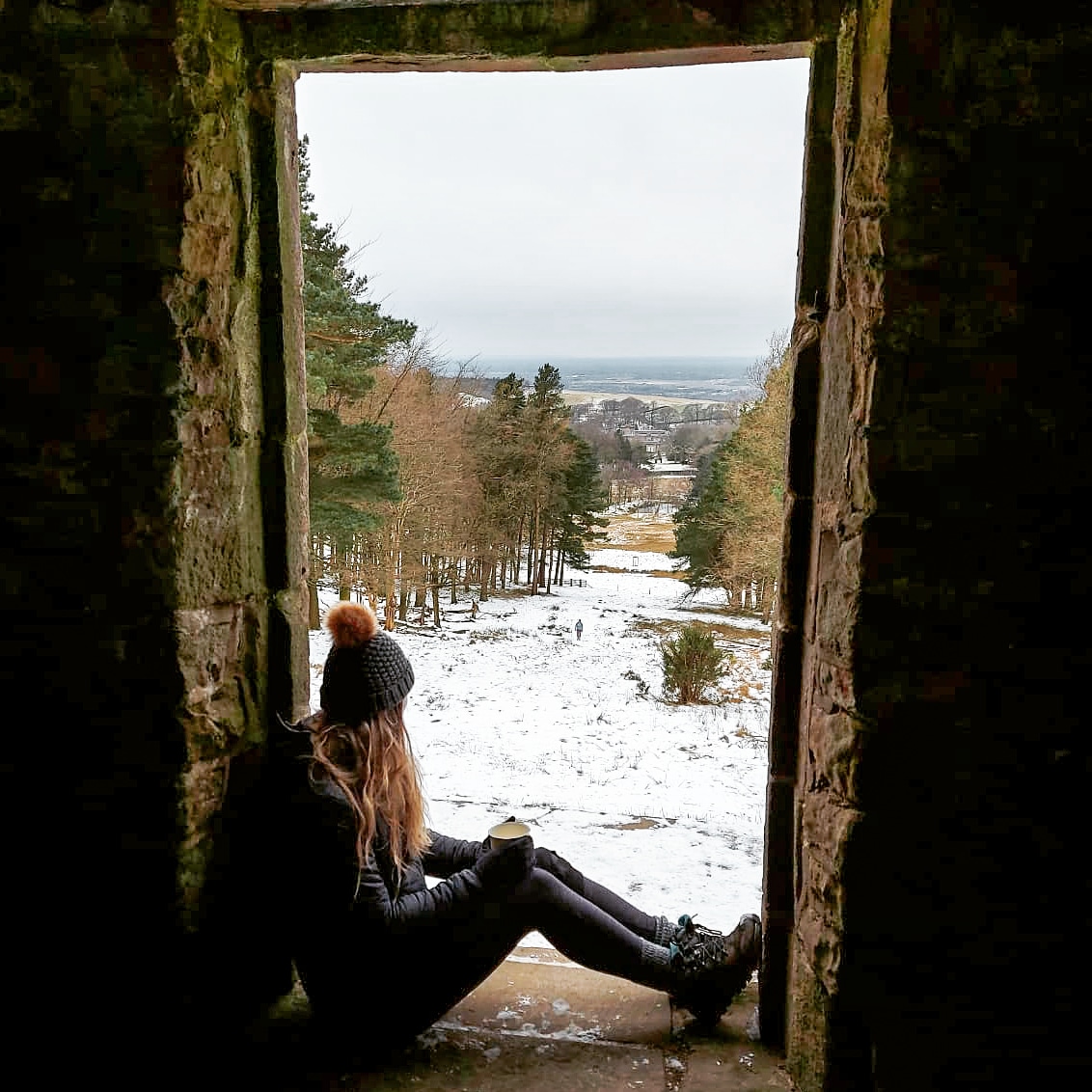
Getting into the outdoors, or starting off on adventures may seem daunting, but the outdoors is for everyone and there shouldn’t be barriers stopping you from taking those first few steps and soaking in all the benefits of being outside. I started my adventures during lockdown. I’d just changed jobs and seperated from my husband and I didn’t has as much disposable income as previously, so below are a few of the things I’ve discovering along the way and my top tips for adventuring on the cheap.
Kit:
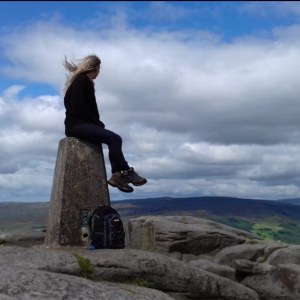
One of the biggest misconceptions is that you need loads of expensive gear before you head out, this just isn’t the case. For a short, local walk all you need is a sturdy pair of shoes! Then, if you start venturing out for longer and further, then you may need some more basics to keep you safe (waterproof coat, layers, a comfortable rucksack, water etc), However, this kit does not have to be brand new or top of the range.
There are so many options now for buying second hand kit. You can find plenty of hiking gear, including coats and high quality trousers, on apps such as vinted. Many items on these kind of apps are still new with tags on, so if you take the time to look you can find some absolute bargains. You can also check out facebook marketplace or some of the buy and sell groups (such as Outdoor Gear Exchange UK or Gear for Outdoor Women UK) this is a great place to find low cost, high quality gear. If there is something in particular you’re looking for, you can always post on the groups too stating what you’re after and hopefully someone will be looking to sell! Buying second hand gear is also great for the environment. People often buy kit they never use, or only use once, so it’s an awesome way to stop this gear going to waste! You can also often find some bargains in charity shops, I’ve seen plenty of rucksacks, brand new hiking socks, high quality walking jackets and walking trousers in charity shops. I picked up one of my favourite mountains warehouse walking shirts for £3 from a charity shop!
When it comes to more technical kit that you may only need for one expedition, or you’re not sure if you’ll use again, then see if you can borrow it from a friend, or you could look into using a service such as the RAB rental service. I haven’t come across any other services like this, but essentially you can rent out high-quality gear for short periods of time. All of the items are repaired and reproofed between uses and they aim to upcycle or recycle every item when it reaches the end of its usable life. If you know of any other similar services pop it in the comments below.
Travel:
One of my biggest expenses when it comes to adventures, is petrol. There are a few different ways in which you can limit this cost. The first, and most obvious, is to adventure close to home. Lockdown definitely taught me to appreciate what’s on my doorstep more. I found apps such as komoot really useful in discovering places to visit that are local to me. It shows you walks other people have done and highlights, which can include photos of things to see and can give you plenty of inspiration of places to visit. If you do want to head a bit further afield, then why not go with friends and split the cost of petrol? This can make a big difference on longer trips. Joining local walking groups can also help you to both discover new places locally and meet new people, who you can potentially car share with in the future!
Using public transport is also another option that can sometimes work out cheaper (and it’s more environmentally friendly). Check out his blog post from My Travel Scrapbook, which lists 20 hikes in England that you don’t need a car to reach. Public transport is also a great option for none circular routes (and something I keep meaning to do!). Obviously some places are more well connected than others, but it’s definitely worth looking into if you want to keep costs down, or don’t have access to a car.
Parking is another way in which a cheap day out can easily become expensive. I get quite anxious about where to park when I’m heading somewhere new, so I always do quite a bit of research beforehand. If possible, I try to find free carparks, or pull ins. You can usually tell with a quick google search if a carpark is free, or if not, how much it is and whether it takes cash or card. Google maps can also be your best friend when trying to find pull ins in slightly more remote locations. Also having a National Trust membership has saved me a fortune in car parking costs, as when you’re a member, all National Trust car parks are free.
Accommodation:
If you’re planning on a multi day adventure, than planning your accommodation ahead can save you a lot. There are loads of different options when it comes to overnight stays: camping, bothies, airbnb, BnB’s or even just staying with friends.
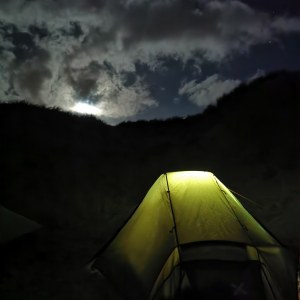
Once you have the kit, camping is amongst the cheaper options. Some campsites can get pretty pricey though, so again do your research before heading out. Another great option is using a site such as Nearly Wild Camping. It is a non-profit co-operative, where you pay a £24 membership for the year and gain access to more than 200 sites across the UK. It’s kind of a mix between a campsite and wild camping, with each site offering different levels of facilities and remoteness. Obviously wild camping is also an option and is completely free! Just make sure you arrive late, pack up early and leave no trace.
Being flexible with dates and being able to go out of season and on weekdays can really help to keep costs low. I currently have Mondays and Tuesdays off work, which means that I can often find quite cheap accommodation as not many people want to go away on a Sunday and Monday night. Obviously this isn’t possible for everyone, but it’s worth baring in mind if you do have a bit more flexibility with your dates.
Food and Drink:
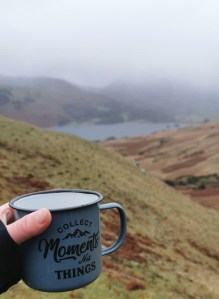
Food and drink can quickly make a pretty cheap day out, expensive. Buying coffee or a sandwich each time you go for a walk can make it a pricey hobby. Some easy ways to keep costs down are to Invest in a flask and a reusable water bottle and make yourself a hot drink before you leave. I’ve got a Contigo Matterhorn Couture which I’ve found keeps my coffee hot for ages (up to 10h according to the website) and I know a lot of people highly recommend Thermos. If you like hot drinks then investing in a good flask is important, as taking a sip to find your coffee cold, can be extremely dissapointing.
I’m slowly getting better at making my own snacks, such as flapjacks, cereal bars or energy balls (let me know if you want me to share some of my favourite recipes). Even just taking a sandwich and packet of crisps (great for replenishing salts lost through sweat) will help you to avoid buying those pesky, well placed snacks from a cafe on route or in a car park. There’s also something really satisfying about a picnic.
A lot of this may just seem common sense to most people, but hopefully it’s helped a couple realise that there are very few barriers to getting outside and starting those adventures! Please do let me know if any of the tips help you in any way, I’d love to hear about your adventures. You can drop me an email at lisa.outdoors@outlook.com or pop me a message on instagram.
Happy adventuring! x
 Lisa Outdoors